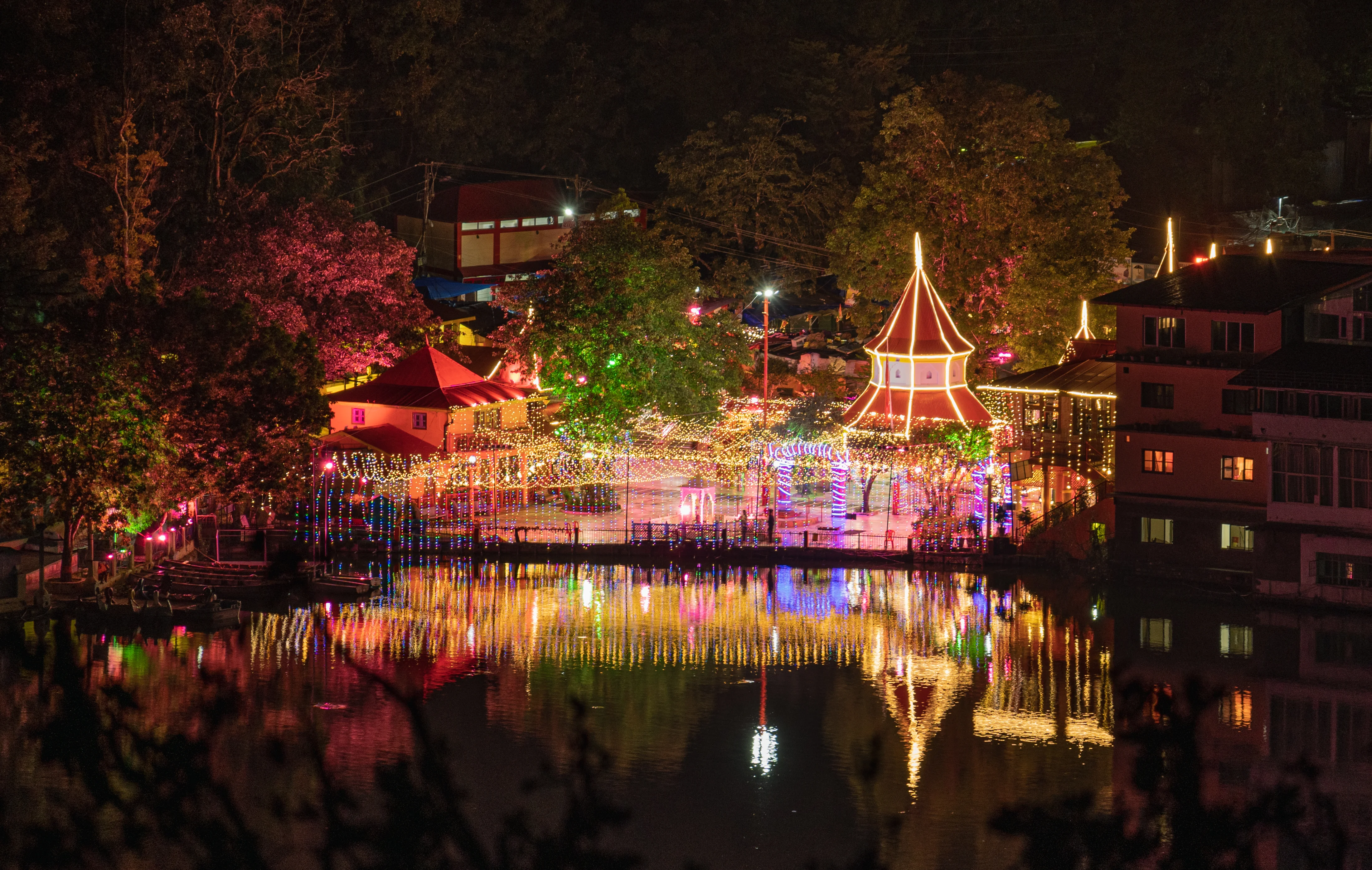
High atop a prominent ridge in the Shivalik hill range of Himachal Pradesh, the Naina Devi Temple stands as one of the most venerated centers of Hindu worship in northern India. Located in the Bilaspur district, this sacred sanctuary commands immense devotion, drawing hundreds of thousands of pilgrims, travelers, and spiritual seekers throughout the year. Perched overlooking expansive mountain valleys, the shrine is dedicated to Goddess Naina Devi, a revered manifestation of the Supreme Divine Mother. The temple serves not merely as a regional place of worship, but as a cultural landmark where centuries of religious tradition, regional heritage, and enduring faith converge against a backdrop of striking natural scenery. The profound spiritual importance of Naina Devi rests upon its status as one of the sacred Shakti Peethas—holy shrines scattered across the Indian subcontinent. According to Hindu tradition, these consecrated sites mark the spots where parts of Goddess Sati's divine form fell to earth during cosmic events associated with Lord Shiva’s deep grief. Sacred accounts hold that it was the eyes—known as *naina* in Hindi and Sanskrit—of the Goddess that landed upon this high mountain crest. Consequently, the presiding deity is worshipped here as the source of divine sight, inner vision, and protective grace. Devotees travel from distant regions to seek her blessings, believing that receiving a view (*darshan*) of the holy shrine bestows spiritual clarity, peace, and relief from personal burdens. The architectural layout of the temple complex reflects a thoughtful integration of traditional hill-shrine design and functional spaces built to handle large crowds. Passing through ornate entrance gateways, visitors enter a broad, paved courtyard framed by marble and carved stone details. At the core of the sanctuary lies the main sanctum sanctorum (*garbhagriha*), where the holy idol of Goddess Naina Devi is enshrined alongside sacred representations of Goddess Kali and Lord Ganesha. Rows of suspended brass bells line the surrounding corridors, ringing continuously as worshippers pass underneath and creating a deep acoustic resonance that fills the space. The layout guides pilgrims smoothly from the outer courtyard into the inner sanctum, ensuring an orderly flow during peak hours of prayer. Daily life within the temple is governed by a long-standing schedule of rituals that begin long before sunrise and continue into the late evening. The morning *aarti* marks the start of daily worship, accompanied by the reverberation of traditional drums, the sounding of conch shells, and the rhythmic chanting of Sanskrit mantras by temple priests. Devotees line up along the inner passages to present ceremonial offerings, including bright red shawls (*chunri*), fresh flower garlands, coconuts, and traditional sweets. Priests apply sacred vermilion (*tilak*) to the foreheads of worshippers and distribute blessed food offerings (*prasad*), maintaining an atmosphere of focused reverence throughout the day. While the shrine maintains a steady stream of visitors year-round, its atmosphere transforms during major religious observances. The twice-yearly Navratri festivals—celebrated in spring and autumn—along with the Shravani Mela during the monsoon season, represent the peak periods of pilgrimage. During these holy events, the entire hill complex is decorated with intricate floral displays, decorative lighting, and ceremonial banners. Thousands of pilgrims queue along the hill approaches to enter the temple grounds, while night-long devotional music, continuous recitations of sacred texts, and special prayer ceremonies turn the site into a vibrant center of collective worship. Beyond its religious significance, the elevated geographical position of Naina Devi adds an impressive natural element to the visit. Set high above the surrounding countryside, the temple offers expansive viewlines across rolling forested slopes and the wide, serene expanse of the nearby Gobind Sagar reservoir. The fresh mountain air and sweeping vistas provide a tranquil contrast to the noise of urban centers, creating an environment that naturally encourages quiet reflection. For many who undertake the trip, the striking landscape is inseparable from the spiritual experience, with the natural elevation mirroring the quiet atmosphere of the shrine itself. The journey up the hill forms an integral part of the overall experience. Approaching the shrine from the base, visitors pass through lively bazaar streets filled with small shops selling devotional literature, framed images, brass oil lamps, incense, and local sweets. To complete the final ascent to the main courtyard, worshippers can choose between two main routes: climbing the traditional stone staircase on foot as a devotional walk, or taking the modern aerial ropeway. The cable car service provides a swift, scenic ride that glides above the hillside, making the temple easily accessible to elderly visitors, families, and those unable to undertake the physical climb. To ensure the safety and comfort of the steady influx of visitors, ongoing management efforts have modernized the infrastructure around the shrine. Covered queue shelters protect pilgrims from the elements, while clean drinking water stations, rest areas, and first-aid centers are positioned along the primary pathways. Well-lit walkways, dedicated parking areas near the base, and organized crowd-management systems help maintain order during major festival days. These ongoing improvements preserve the dignity and peaceful sanctity of Naina Devi, ensuring that every traveler can experience its historic tradition in comfort.
No FAQs available for this item. If you have any questions, please feel free to contact us.