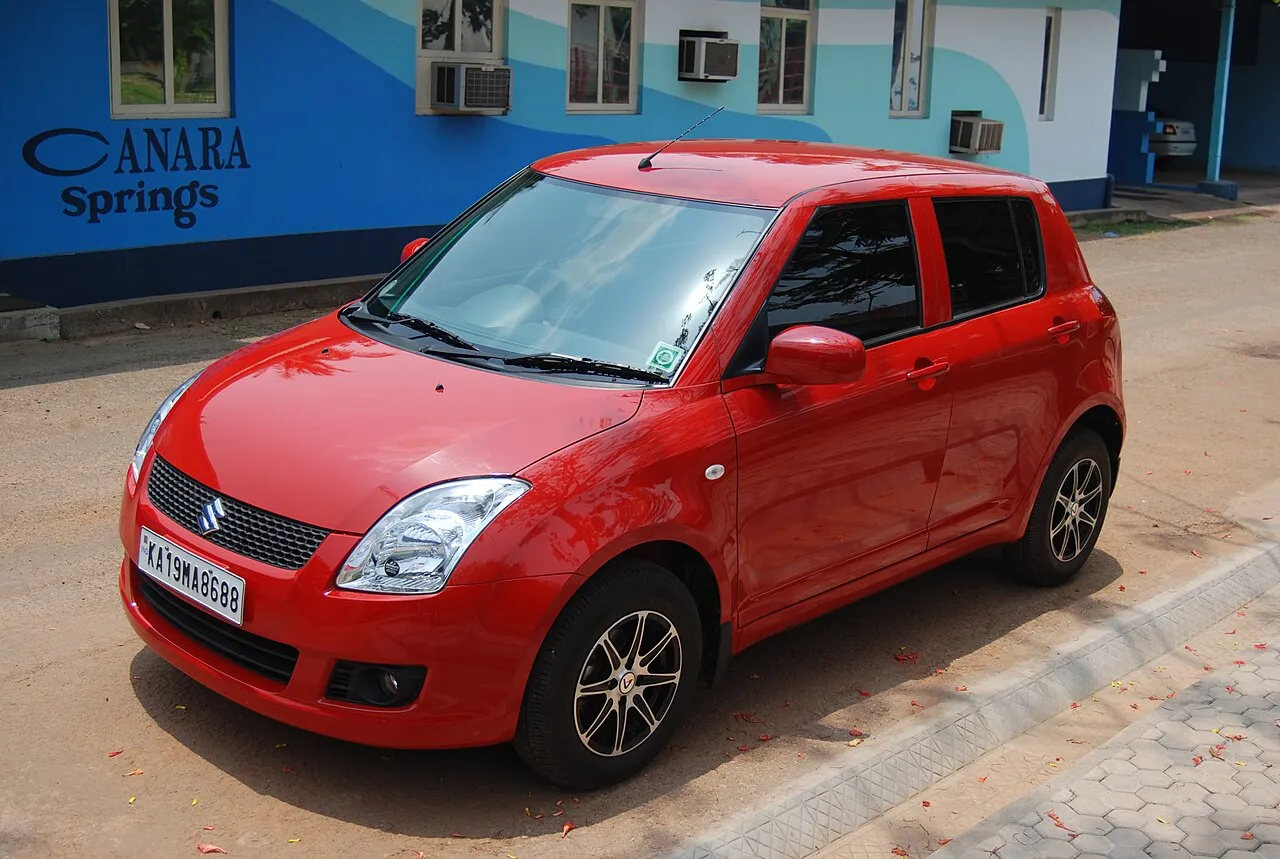
A hatchback is an automotive body configuration characterized by a rear door that hinges upward to access a shared passenger and cargo compartment. Unlike traditional three-box sedans with isolated trunks, hatchbacks utilize a two-box design where the main cabin integrates seamlessly with the rear luggage area. Available primarily in three-door and five-door layouts—counting the top-hinged rear hatch as a door—this vehicle style is widely recognized for combining a compact exterior footprint with exceptional interior versatility. The concept evolved in the mid-20th century, with early pioneering models such as the Citroën Traction Avant Commerciale and the Renault 4 establishing the practical advantages of a tailgate. The modern hatchback standard crystallized in the 1960s and 1970s through groundbreaking mass-market designs like the Renault 16 and the Volkswagen Golf. These vehicles transformed personal transportation, particularly across Europe and Asia, by offering affordable, fuel-efficient, and space-conscious mobility tailored to dense urban environments and growing families. Beyond standard everyday commuter vehicles, the hatchback platform also gave rise to the high-performance "hot hatch" segment, blending sports car agility with daily usability. Practical features such as split-folding rear seats allow hatchbacks to accommodate cargo volumes rivaling larger vehicles while maintaining easy maneuverability and parking ease. Today, the hatchback design remains a cornerstone of global automotive manufacturing, heavily influencing modern crossover SUVs and serving as a primary layout for many contemporary hybrid and electric vehicles.
25% of ₹ 2000 (per day) ×